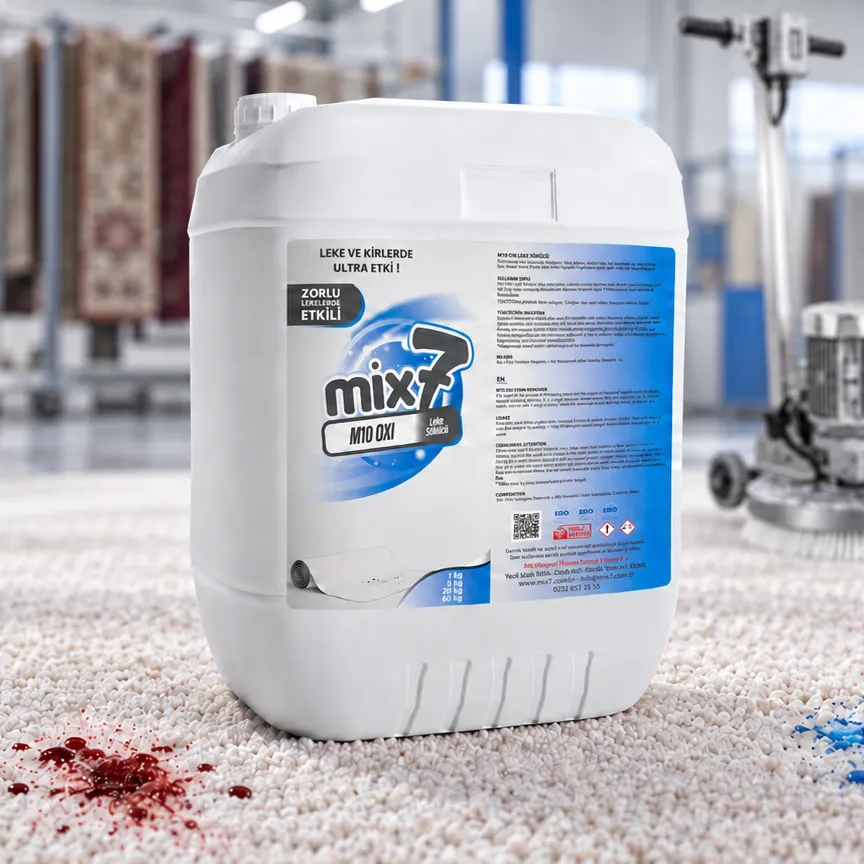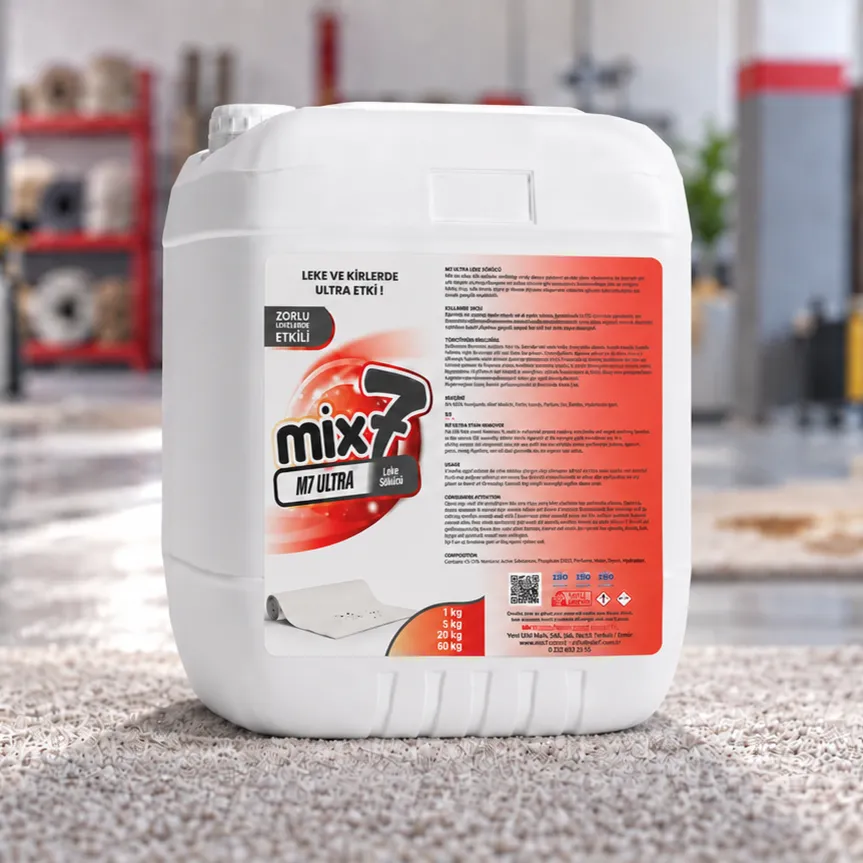

In a carpet washing plant, stain removal is not just a matter of applying a product to the stain. The substance that caused the stain, the structure of the carpet, any earlier treatments and the way the product is applied all affect the result together. A method that works on one carpet can cause colour change on another or spread the stain over a wider area.
That is why professional stain treatment is based on inspecting first, then applying the right product in a controlled way. Here are five common mistakes in carpet stain removal and a safer application order to follow instead.
1. Choosing a product without identifying the stain type
Tea, oil, blood, paint and grass stains do not share the same properties. Using the same product on every stain may seem practical, but the wrong product can make the treatment harder and leave an unwanted effect on the carpet.
Start by finding out where the stain came from. If the customer knows when and how the stain occurred, that information is a valuable starting point. Then look at the colour, texture and spread of the stain. Assess the fibre structure and colour of the carpet as well. Asking whether another chemical has already been applied helps prevent unexpected results.
The right approach: Choose the product according to the stain type and the characteristics of the carpet. If the source of the stain is unclear, run a controlled trial on a small area instead of immediately treating a large one.
2. Applying to a large area without a pre-test
A product being suitable for a stain does not mean it will give the same result on every carpet. The carpet's dye, fibre and previous treatments can change how it reacts to the application. Skipping the pre-test, especially on colour-sensitive carpets, can turn a small stain into a bigger problem.
First try the chosen product on a small, inconspicuous part of the carpet, following the instructions on its label. Do not judge the area only while it is wet; after the application, also check whether there is any change in colour, texture or surface appearance.
The right approach: If you see a negative change during the pre-test, do not extend the application. Consider another method that suits the characteristics of the carpet.
3. Using more product than necessary to get a better result
The idea that “the more product, the stronger the cleaning” is misleading in stain treatment. Excess product can make residue harder to remove. This can lengthen rinsing time or leave an unwanted feel on the carpet surface.
Instead of spreading the product directly over a large area, apply a controlled amount to the stained area. Follow the recommended amount, the stated dilution ratio if dilution is required, and the dwell time. Do not keep adding product before you have seen the result of the first application.
The right approach: Before increasing the amount, make sure the stain has been correctly identified, the chosen product is suitable and the application has been carried out correctly.
4. Rubbing the stain with harsh, random movements
Harsh brushing can change the appearance of the fibres, especially on delicate surfaces. Random movements, on the other hand, can spread the stain into the surrounding area. The aim is not to force the stain out, but to remove it in a controlled way that suits the structure of the carpet.
Work with suitable equipment and pressure. Continue the treatment from the outer edge of the stain towards its centre; this limits the transfer of the stain to clean areas. If the fibre structure of the carpet is not suitable for harsh mechanical action, adjust the method accordingly.
The right approach: Check the surface frequently during the application. If you notice fibre damage or colour change, reassess the method before continuing.
5. Skipping rinsing and the final check once the stain fades
A visible reduction in the stain does not mean the job is finished. Product left in the carpet or dissolved stain residue can affect the final appearance and texture. For this reason, local treatment should not be considered separately from the rinsing and checking stage.
Remove the residue in a way that suits the product's instructions and the structure of the carpet. Then inspect the area together with its surroundings: Is there any trace of the stain left? Is there product residue on the surface? Do the colour and texture match the surrounding area? If necessary, reassess after the carpet has dried; some marks can be hard to distinguish on a wet surface.
The right approach: Consider the job finished not simply when the stain fades, but when rinsing and the final quality check are complete.
What is the right order for professional stain treatment?
In the daily workflow, the following order makes the treatment more organised and traceable:
- Inspect the carpet and the stain. Find out the fibre structure, the colour, the condition of the stain and any previous treatments.
- Identify the stain type. If it cannot be identified with certainty, take this into account when deciding on the application.
- Run a pre-test on a hidden area. Check the effect of the product on the carpet.
- Carry out the appropriate washing process for general soiling. Plan local stain treatment together with the carpet's overall cleaning process.
- Treat the remaining stain in a controlled way. Apply the suitable product in the recommended amount, only to the area that needs it.
- Rinse and carry out the final check. Remove the residue and assess the appearance and texture of the carpet.
It is not right to assume that every stain can be removed completely. How long the stain has been there, its composition, the carpet's dye and earlier treatments can all affect the result. Explaining these possibilities clearly to the customer before the job is an important part of a professional service.
Can the same stain remover be used for every stain?
Stain types and carpet characteristics differ. For this reason, the product should be chosen by assessing the source of the stain and the structure of the carpet. The instructions for use of the chosen product must also be taken into account.
Why is a test done before applying a stain remover?
A pre-test helps you see on a small area whether the product causes any unwanted change in the colour or texture of the carpet. This step is especially important on delicate carpets and those that may bleed colour.
Is rinsing necessary after the stain is removed?
Product left over from the application and dissolved stain residue need to be removed. The rinsing method should be chosen to suit the product's instructions and the characteristics of the carpet.
Conclusion: Good stain removal starts with controlled application
Success in professional carpet stain removal does not depend on the strength of a single product. Correct assessment, suitable product choice, pre-testing, measured application and a final check work together. Turning these steps into a standard application order within the plant makes decisions easier for the operator and helps deliver a more consistent service to the customer.
The right product, the right amount and the right application order: These three make the difference in stain treatment.