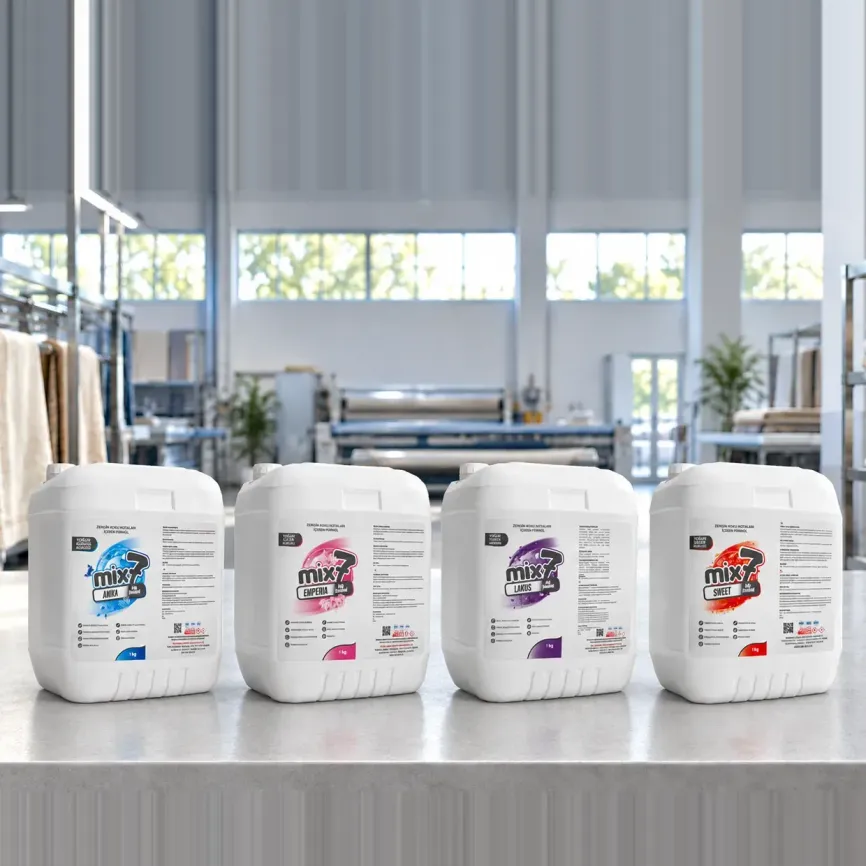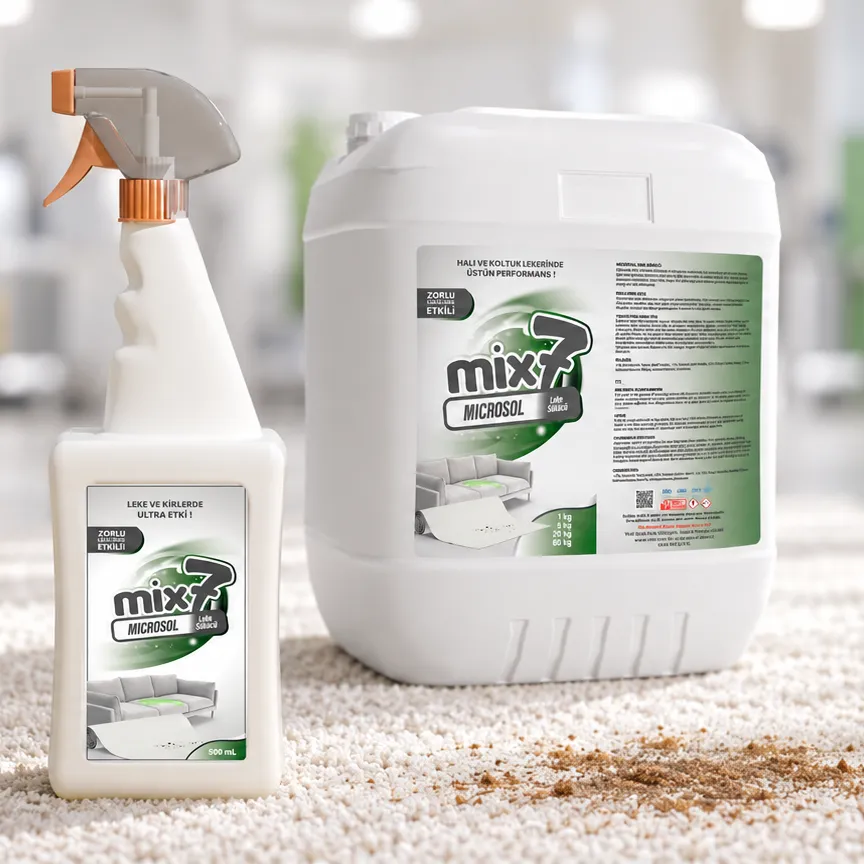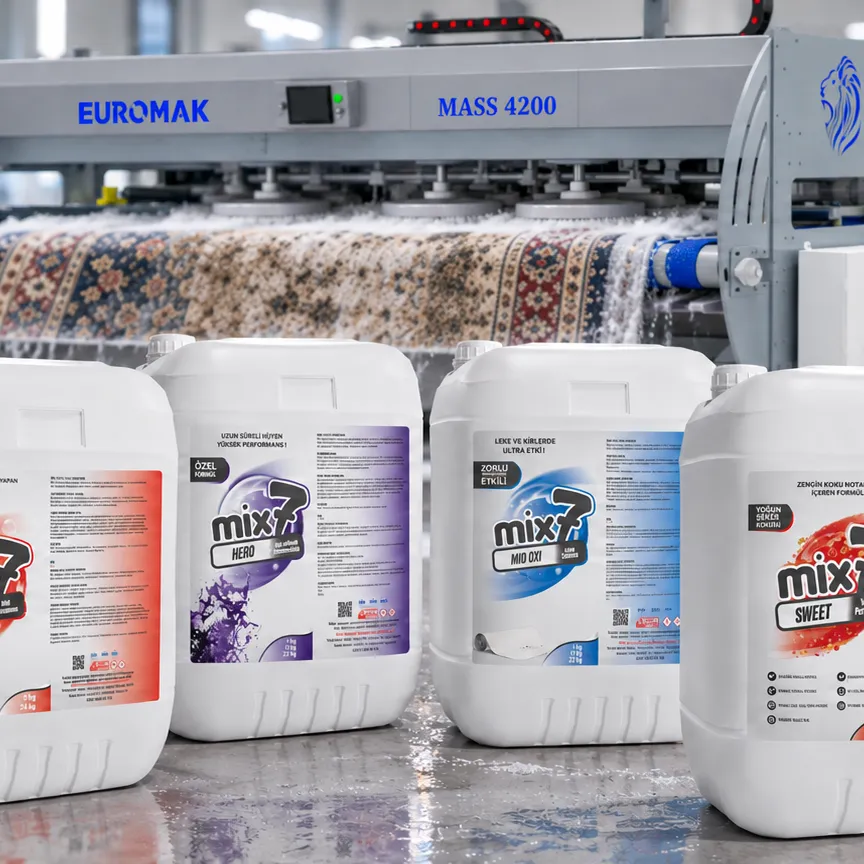

Simply increasing the amount of shampoo used is not the right approach when cleaning heavily soiled carpets. For effective cleaning, pre-dusting, identifying the type of soil and stain, general washing with a suitable shampoo, sufficient mechanical action and separate treatment of local stains must be planned together.
Especially in professional carpet washing processes, separating heavy soil from local stains helps keep both cleaning performance and the amount of chemicals used under control.
Heavy Soil and Local Stains Are Not the Same Thing
Not every kind of dirt seen on a carpet surface can be cleaned with the same method.
General soil may consist of dust, grease, residues from use and dirt that accumulates between the fibres over time, spread across a large part of the carpet.
Local stains, on the other hand, occur at a specific point, such as coffee, tea, tomato paste, oil, blood, fruit juice or food-based soiling.
For this reason, while general surface soiling is managed during the main washing stage, resistant stains that remain after washing must be treated separately with a cleaner suitable for the stain type.
1. The Carpet Must Be Dusted Thoroughly Before Washing
One of the most important stages for heavily soiled carpets is removing as much dry soil as possible before the washing process.
Heavy dust and solid particles left inside the carpet can turn into mud when they come into contact with water and be carried deeper between the fibres. This can prolong the washing time and reduce cleaning performance.
Therefore, an effective dusting process suited to the structure of the carpet must be applied before professional washing.
2. Stain Remover Application Stage
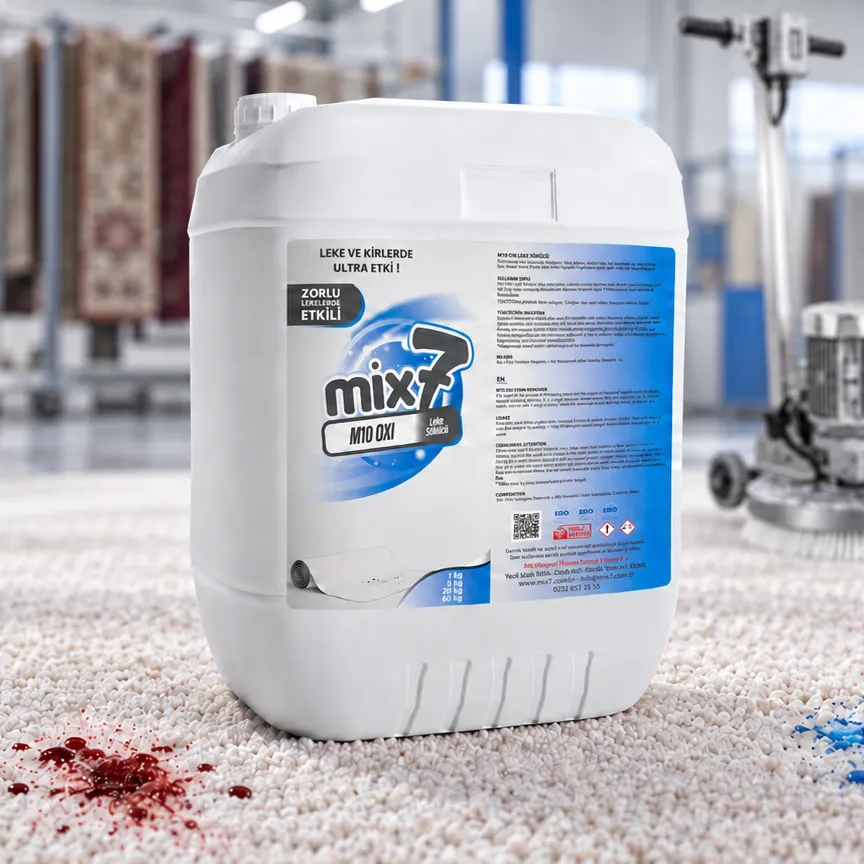
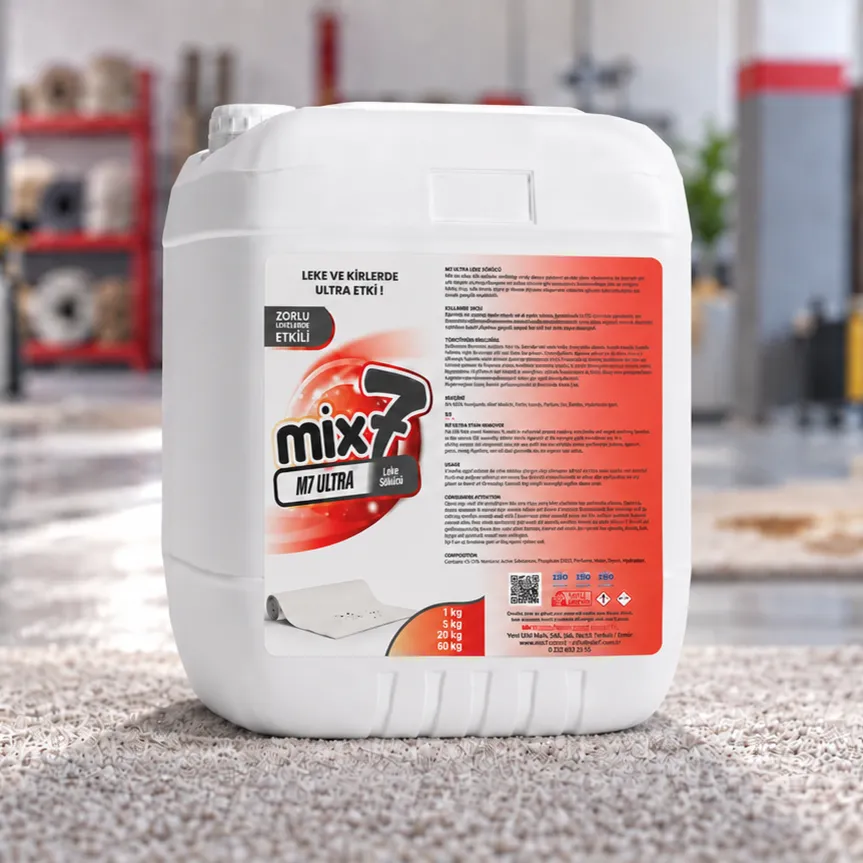
Stubborn stains on the carpet such as coffee, oil, sauce, blood and similar must be checked before the general washing process. Once the type of stain and the fibre structure of the carpet have been identified, a suitable stain remover is applied in a controlled amount only to the stained area. The product is left for the recommended time to penetrate the stain and, if necessary, the area is gently treated with a soft brush.
Before application, a test should be carried out on a small, hidden area to make sure the product does not cause a change in the colour or texture of the carpet. Particular attention should be paid to product selection, usage ratio and water temperature on wool, viscose and delicately coloured carpets. Once the stain has been softened, the carpet is taken to the main washing stage, where product residues and dissolved dirt are completely removed from the surface. This process helps prevent stains from spreading across the carpet during washing and achieves a more effective cleaning result.
3. A Suitable Carpet Shampoo Must Be Selected for Heavy Soil
The main washing shampoo to be used on heavily soiled carpets must be suitable for the professional carpet washing process and the structure of the carpet.
The aim here is not to use as much chemical as possible, but to manage the correct shampoo ratio, sufficient contact time and mechanical brushing action together.
Unnecessarily increasing the dilution ratio recommended by the manufacturer does not always give better results. On the contrary, excessive chemical use can:
- increase the need for rinsing,
- leave chemical residue on the carpet,
- raise operating costs,
- make subsequent processes more difficult.
It is therefore important to work in accordance with the ratios specified in the current instructions for use of the product.
4. Mechanical Action and Contact Time Must Be Set Correctly
In professional carpet washing, cleaning is not achieved by the chemical product alone.
Chemical action, mechanical brushing, water, temperature and contact time work together.
On a heavily soiled carpet, the shampoo must be distributed evenly over the surface and the brushes must apply sufficient mechanical action to the soiled areas.
However, excessive pressure or unnecessarily long processing times that could damage the fibre structure of the carpet must be avoided. The ideal brushing time is recommended to be 3-5 minutes.
5. Stains Remaining After General Washing Must Be Checked Again
After the main washing is completed, the surface of the carpet must be examined again.
Although the general soil has been cleaned, some local stains may remain on the surface. In this case, instead of applying the same shampoo over and over again, a special stain remover suited to the stain type should be preferred.
For example, products with high grease and dirt dissolving performance are considered for oily and heavy food-based stains, whereas stain removers with different properties may be needed for fruit juice, colour-leaving foods or other organic stains.
The basic principle here is to use the stain remover in a controlled way only on the area where it is needed rather than applying it to the entire carpet.
6. Pay Attention to Temperature on Delicate and Protein-Based Stains
On protein-containing stains such as blood in particular, using very hot water can cause the stain to bond more strongly to the fibres.
For this reason, the temperature should be chosen according to the structure of the stain and the application instructions of the stain remover to be used should be taken into account.
In professional applications, the same temperature and the same chemical method should not be used for every stain.
7. The Rinsing Stage Must Not Be Neglected
On heavily soiled carpets, effective rinsing is as important as powerful washing.
If the shampoo and dissolved dirt remaining between the carpet fibres are not removed sufficiently, this can cause:
- residue on the surface,
- the carpet feeling stiff or sticky,
- faster re-soiling.
Therefore, a rinsing process compatible with the amount of chemical used and the washing performed must be applied.
What Is the Most Common Mistake with Heavily Soiled Carpets?
One of the most common mistakes is to increase the amount of chemical used in an uncontrolled way as the intensity of the soil increases.
Yet in professional cleaning, the result does not depend on the amount of shampoo alone;
pre-dusting + correct chemical selection + correct dosage + brushing time + local stain treatment + sufficient rinsing
all work together.
When the right process is established, cleaning performance can be increased and unnecessary chemical consumption can be prevented.
Can a General Carpet Shampoo Replace a Local Stain Remover?
Not always.
Carpet shampoos are mainly used for the general surface cleaning of the carpet. For resistant local stains remaining on the surface after the main washing, a special cleaner suited to the source of the stain may be required.
It should therefore not be assumed that a strong general washing shampoo will remove every type of stain on its own.
Can a Stain Remover Be Applied Directly?
This depends on the properties of the product used.
Before application, the instructions for use of the product should be checked; it should be diluted if necessary, a preliminary test should be carried out on a small, hidden area and the recommended waiting time should be observed.
Uncontrolled chemical use should be avoided, especially on colour-sensitive carpets or carpets made of natural fibres.
Conclusion
The way to clean heavily soiled carpets is not to use more chemicals, but to establish the right washing process.
A good professional carpet washing process starts with removing dry soil from the carpet, continues with shampooing suited to the type of soil and is completed by evaluating separately the local stains that remain after washing.
Correctly analysing the type of soil and stain, selecting suitable cleaning chemicals, applying the correct dosage and rinsing sufficiently directly affect both cleaning quality and operational efficiency.
For this reason, on heavily soiled carpets, managing each cleaning stage according to its own purpose rather than expecting more from a single product is the most controlled and professional approach.